
 EN
EN


As global demand for efficient and safe vegetation management continues to rise, traditional mowing equipment is gradually being replaced by more advanced solutions. The remote control lawn mower has emerged as a highly effective tool, particularly in challenging environments such as steep slopes, orchards, and infrastructure sites.
For international B2B buyers—including distributors, contractors, and agricultural service providers—this category of equipment offers a compelling combination of safety, productivity, and adaptability. This article explores the technology, applications, and market advantages of remote-controlled mowing systems, providing insights into why they are becoming a strategic investment worldwide.
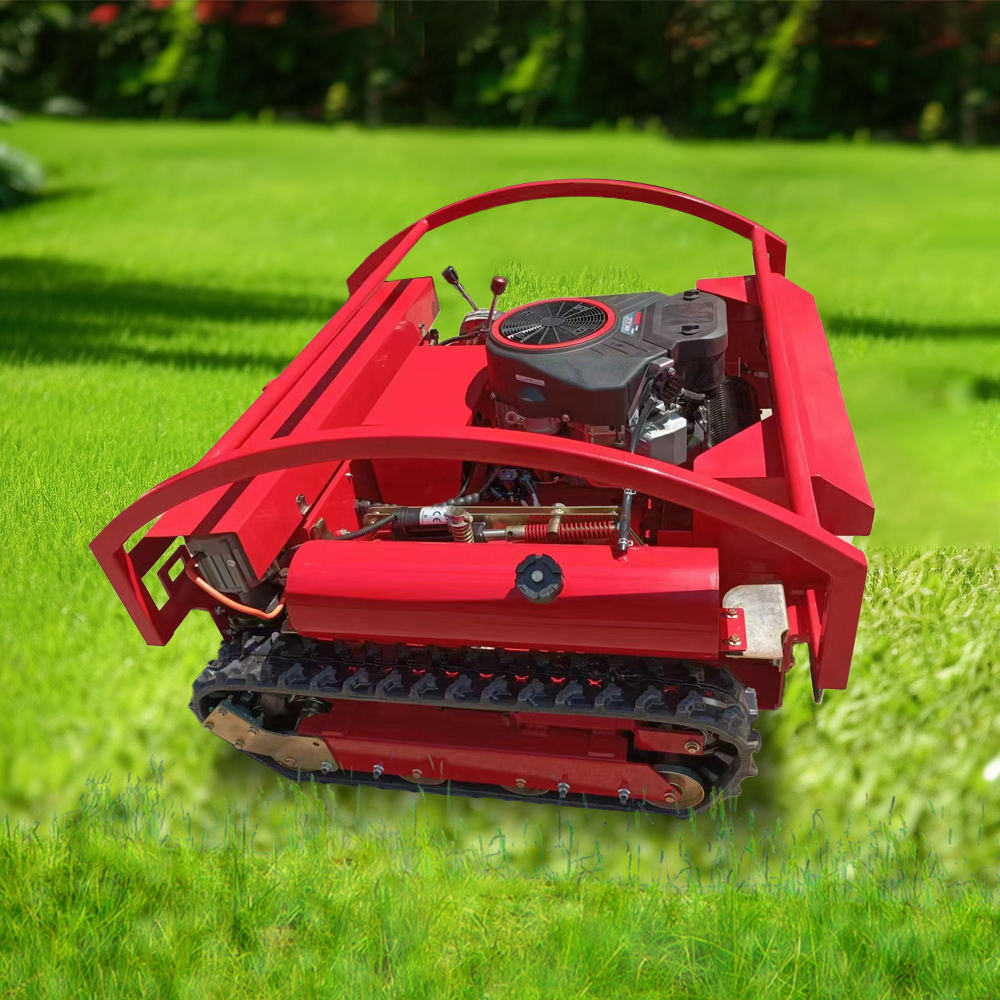
A remote control lawn mower is a tracked or wheeled mowing machine operated wirelessly from a distance. Unlike conventional walk-behind or ride-on mowers, operators control the machine via a handheld remote, allowing them to maintain a safe distance from hazardous terrain.
These machines are typically powered by gasoline, diesel, or hybrid systems and are equipped with high-torque cutting systems capable of handling dense grass, weeds, and even light brush.
One of the most significant benefits is improved operator safety. In environments such as:
Steep embankments
Roadside slopes
Dam structures
Solar farms
traditional mowing can expose workers to rollover risks, slipping hazards, or extreme weather conditions. Remote operation eliminates the need for direct contact with the machine, significantly reducing workplace accidents.
Most remote-controlled mowers are designed with crawler tracks or low-center-of-gravity structures, allowing them to operate effectively on uneven and inclined terrain. This makes them ideal for:
Orchard row maintenance
Terraced agricultural land
Mountainous regions
Wet or soft ground conditions
The ability to maintain traction and stability ensures consistent performance where conventional machines struggle.
With the rapid expansion of photovoltaic installations worldwide, vegetation control has become a critical maintenance task. Remote control mowing equipment allows operators to work safely between panels without damaging infrastructure, improving operational efficiency for energy companies.
A typical remote control mower consists of three main systems:
Drive System – Often hydraulic or electric, enabling independent track or wheel movement
Cutting System – Equipped with flail blades or rotary cutters for versatile vegetation management
Control System – Wireless remote with real-time response for movement, speed, and cutting adjustments
Operators can control forward/backward motion, turning radius, and cutting height with precision, even from a distance of up to several hundred meters depending on the model.
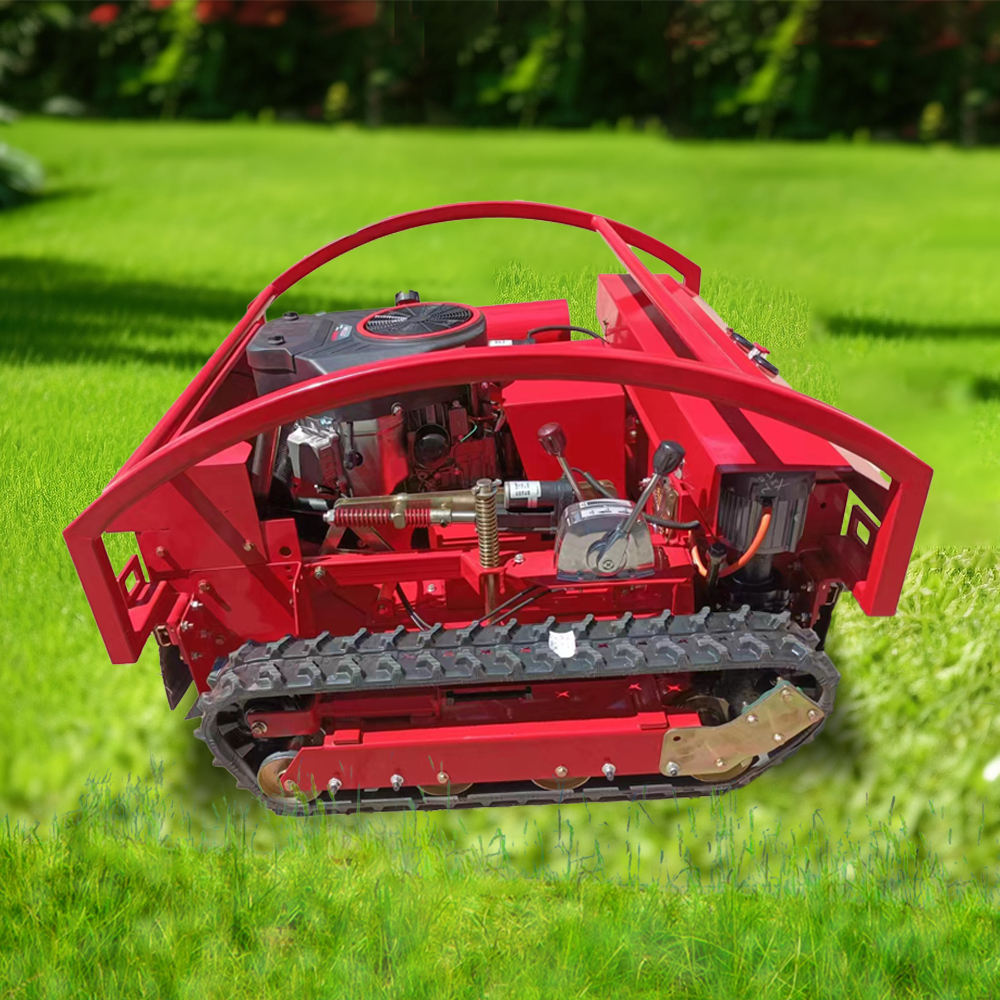
Engine power typically ranges from 10HP to 30HP or higher, depending on application needs. For B2B buyers, selecting the right configuration depends on:
Vegetation density
Terrain slope (often up to 45° or more)
Daily workload requirements
High-performance models are capable of continuous operation under demanding conditions, making them suitable for professional use.
Reliable equipment starts with robust manufacturing. Leading suppliers utilize:
CNC machining centers for precision components
Robotic welding systems for structural consistency
Laser cutting and bending equipment for high-strength frames
Automated surface treatment and coating systems for durability
These processes ensure consistent product quality and long service life, which are critical for international buyers managing large fleets.
For global markets, compliance is essential. Buyers should prioritize equipment that meets:
ISO quality management standards
CE certification for the European market
EPA compliance for emissions in the United States
These certifications not only ensure product reliability but also facilitate smoother import and distribution processes.
In orchards, maintaining grass between rows is essential for pest control and operational efficiency. Remote mowing systems allow precise navigation without damaging trees or irrigation systems.
Government contractors and service providers use these machines for:
Highway slope maintenance
Railway vegetation control
Dam and canal upkeep
Their ability to operate in confined or hazardous areas significantly reduces labor intensity.
Solar farms require regular vegetation control to prevent shading and fire risks. Remote-operated mowers provide a safe and efficient solution, especially in large-scale installations.
For distributors and brand owners, customization plays a key role in market competitiveness. Many manufacturers offer:
Branding (OEM/ODM services)
Engine configuration options
Remote control system upgrades
Custom cutting widths and attachments
One example is Chengfeng, a manufacturer with extensive experience in agricultural machinery and international exports, offering tailored solutions for different market requirements.
For B2B buyers, after-sales support is just as important as product quality. Key service features include:
Fast-response technical support (within 24 hours)
Availability of spare parts and consumables
Remote diagnostics and troubleshooting
Training materials such as video guides
Efficient support systems help minimize downtime, ensuring that equipment remains operational during peak seasons. This directly impacts return on investment, especially for contractors managing multiple projects.
The global landscaping and vegetation management industry is undergoing rapid transformation, driven by:
Labor shortages in developed markets
Increasing safety regulations
Expansion of renewable energy infrastructure
Demand for smart and automated equipment
Remote-controlled mowing solutions are expected to see sustained growth, particularly in Europe, North America, and Asia-Pacific regions.
Manufacturers such as Chengfeng are continuously investing in R&D, integrating smarter control systems and improving machine durability to meet evolving market demands.
The remote control lawn mower is no longer a niche product—it has become a critical tool for modern vegetation management across multiple industries. With clear advantages in safety, efficiency, and adaptability, it offers strong value for distributors, contractors, and agricultural operators alike.
For international buyers seeking to expand their product portfolio or improve operational efficiency, investing in advanced remote-controlled mowing equipment represents a forward-looking and competitive decision.