
 EN
EN


Across Europe, North America, and parts of Asia, landscaping and agricultural service providers are facing a growing labor shortage. Rising labor costs and workforce instability are pushing businesses to seek more efficient alternatives.
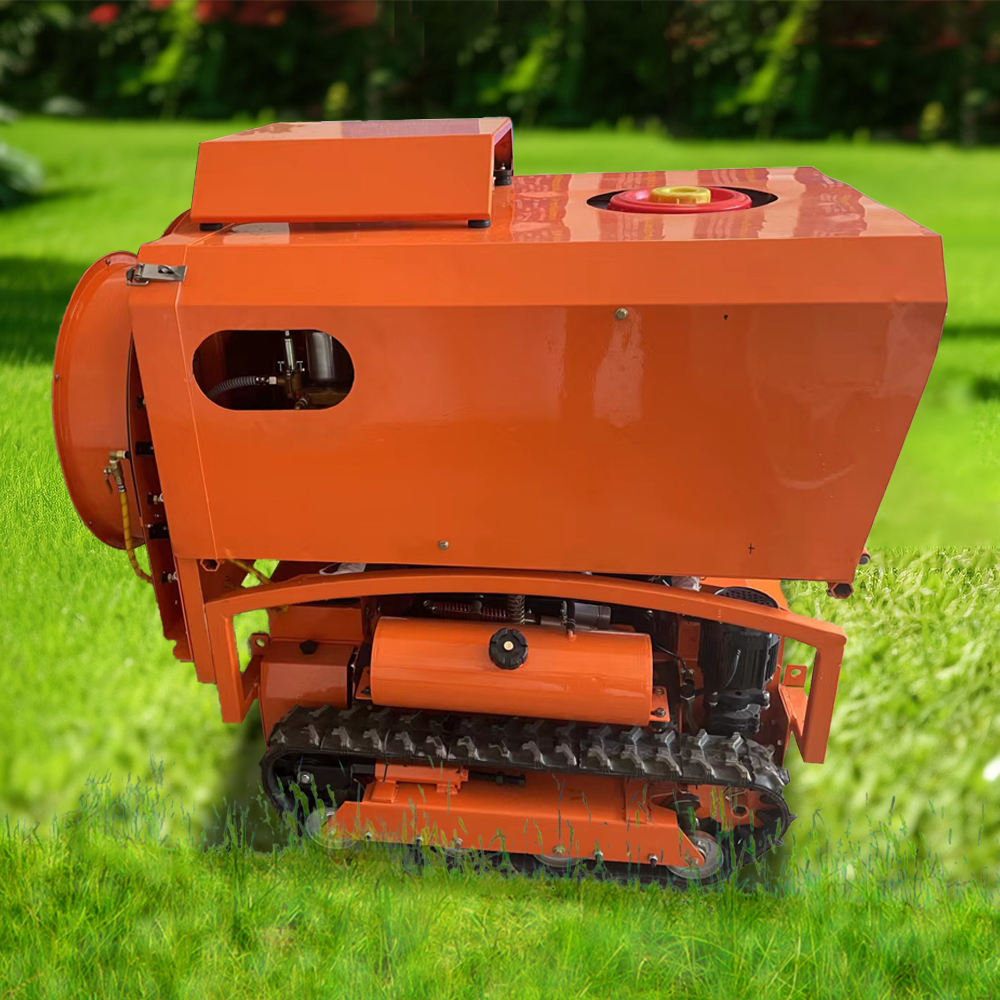
The remote control lawn mower has emerged as a practical solution, enabling companies to maintain productivity with fewer operators while improving safety and operational consistency.
Traditional mowing operations often require multiple workers, especially for large or complex sites. Remote-controlled machines allow:
One operator to manage large-scale mowing
Reduced dependency on skilled labor
Faster training for new operators
This directly lowers operational costs and improves workforce flexibility.
Unlike manual or ride-on equipment, remote-controlled systems eliminate prolonged physical exposure. Operators can work from a comfortable distance, reducing fatigue and increasing working hours without compromising safety.
Although the initial investment may be higher, remote mowing equipment significantly reduces:
Monthly labor costs
Insurance risks related to workplace injuries
Downtime caused by human error
For contractors handling multiple sites, the return on investment becomes evident within a short operational cycle.
Faster mowing speeds and improved maneuverability allow service providers to:
Complete more contracts per season
Expand service coverage without increasing workforce size
Modern remote control mowers feature:
Real-time response control systems
Adjustable speed and cutting parameters
Stable signal transmission over long distances
These capabilities ensure precise operation even in complex environments.
Public sector projects often require consistent maintenance with limited staffing. Remote systems help meet service standards without increasing labor budgets.
Private contractors benefit from scalable operations, allowing them to take on larger projects without hiring additional workers.
The remote control lawn mower is more than just a technological upgrade—it is a strategic investment for businesses facing labor challenges. By reducing workforce dependency while improving productivity, it enables B2B buyers to stay competitive in an evolving global market.