
 EN
EN


With stricter workplace safety regulations worldwide, companies are under increasing pressure to reduce operational risks. Landscaping and vegetation control—especially in hazardous environments—pose significant safety challenges.
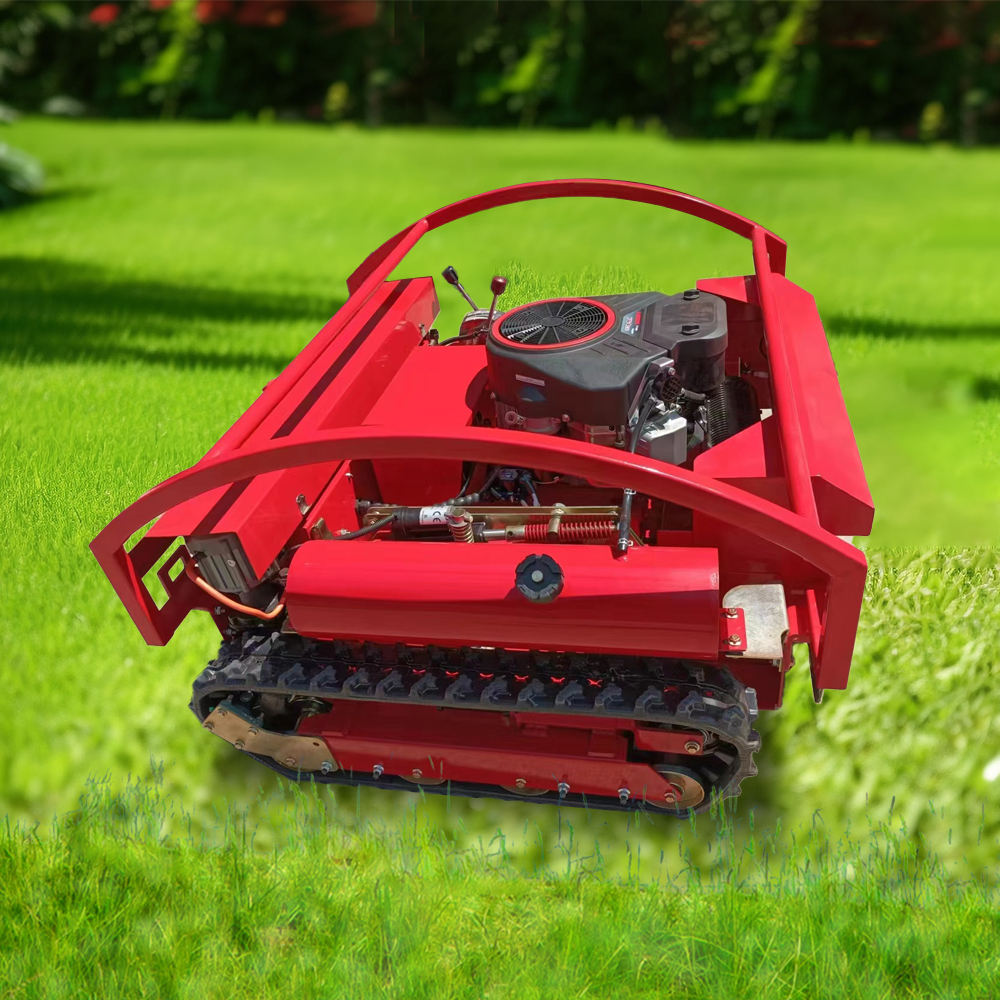
The remote control lawn mower addresses these concerns by fundamentally changing how operators interact with equipment.
Traditional mowing methods expose operators to:
Machine rollovers on slopes
Flying debris and sharp objects
Noise and vibration over long periods
Remote-controlled equipment removes the operator from these risks, allowing safe operation from a distance.
With low center-of-gravity designs and tracked systems, these machines remain stable on:
Slopes exceeding 40 degrees
Uneven or rocky surfaces
Wet or slippery ground
Many countries now enforce strict occupational safety standards. Using remote-controlled equipment helps businesses:
Meet compliance requirements
Reduce liability risks
Improve workplace safety records
Fewer accidents result in reduced insurance premiums and compensation claims, contributing to long-term financial savings.
Operators can safely manage vegetation along busy roads without exposure to traffic hazards.
In environments such as solar farms or power stations, remote mowing ensures safe operation near sensitive infrastructure.
The remote control lawn mower represents a shift toward safer, smarter landscaping practices. For B2B buyers prioritizing compliance and workforce protection, it offers a reliable and forward-looking solution.